
The Allure of Gambling
The psychology behind casino gaming addiction begins with understanding the allure of gambling itself. The thrill of taking risks and the possibility of winning large sums of money create a rush of adrenaline that many find irresistible. This excitement can lead individuals to seek out gambling as a form of entertainment, often lured by the bright lights and enticing sounds of slot machines and table games. For many, this experience triggers a sense of euphoria, making them more inclined to return to the casino environment. In addition, some may explore online casinos australia to further enhance their gaming experience.

Moreover, the social aspect of gambling plays a significant role in its appeal. Many people enjoy the camaraderie built within the casino setting, whether playing alongside friends or strangers. This social interaction can enhance the thrill of the game and create an environment where individuals feel a sense of belonging, further drawing them into the cycle of gambling.
Understanding Addiction
To grasp the complexity of casino gaming addiction, it is essential to recognize how addiction develops. Like other forms of addiction, gambling addiction is often characterized by compulsive behavior that persists despite negative consequences. Individuals may initially perceive gambling as a harmless pastime, but over time, it can escalate into a serious issue that adversely affects their lives.
The brain’s reward system plays a crucial role in this process. When an individual wins while gambling, their brain releases dopamine, a neurotransmitter associated with pleasure and reward. This release reinforces the behavior, encouraging the individual to gamble again in pursuit of that euphoric feeling. Unfortunately, with repeated exposure, the brain may become desensitized to these rewards, leading to more significant gambling to achieve the same level of excitement.
Risk Factors for Addiction
Several risk factors may predispose individuals to develop a gambling addiction. These include genetic predisposition, environmental influences, and personal history. Individuals with a family history of addiction may have a higher likelihood of becoming addicted themselves due to inherited traits or learned behaviors.
Additionally, life stressors such as unemployment, relationship issues, or mental health disorders can drive individuals toward gambling as a coping mechanism. For some, the casino becomes a place of escape rather than a source of entertainment, leading to a dangerous cycle of dependence.
Signs of Gambling Addiction
Recognizing the signs of gambling addiction is vital for early intervention. Individuals may exhibit behaviors such as lying about their gambling habits, borrowing money to fund their gambling, or neglecting responsibilities in favor of gambling activities. These behaviors indicate that a person’s gambling is no longer a recreational activity but has evolved into an uncontrollable urge.
Additionally, those struggling with addiction may experience emotional distress, including anxiety or depression, due to their gambling behavior. These feelings can further perpetuate the cycle, as individuals might gamble to escape these negative emotions instead of addressing the underlying issues.
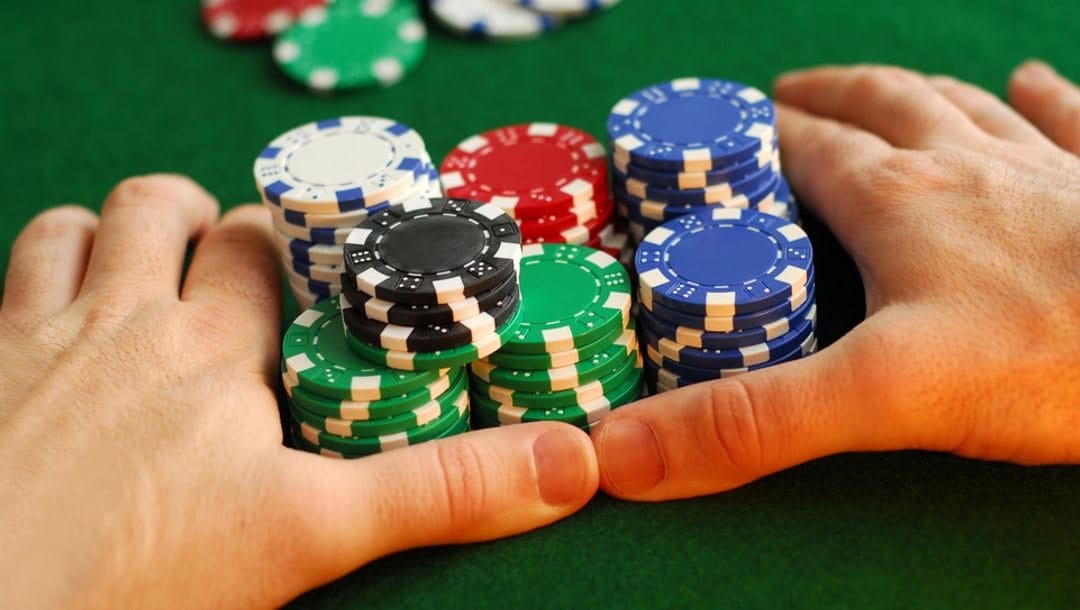
Website Resource and Support
For those seeking information and support regarding casino gaming addiction, this website serves as a valuable resource. It aims to provide users with access to various online resources that can assist individuals in understanding and managing their gambling behaviors. Through informative content, users can gain insight into the psychological aspects of addiction as well as practical strategies for recovery.
The website emphasizes the importance of reaching out for help and provides supportive tools to guide individuals on their journey toward recovery. By fostering awareness and encouraging dialogue about gambling addiction, the site seeks to create a safe space for those affected by this issue and their loved ones.

